A Professional Review: Fall for Jesus Embroidery Design
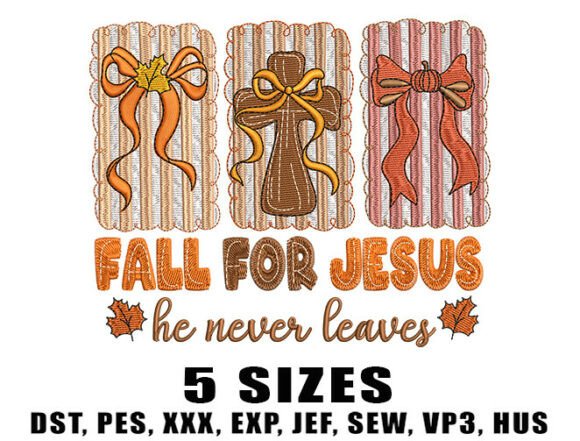
As an embroidery designer working with small business clients daily, my first task is to evaluate a design’s potential beyond decoration. When I look at the Fall for Jesus Embroidery Design, my immediate impression is one of warmth and clarity. The concept—a cross surrounded by rustic elements—suggests a classic, handmade feel. This balance is crucial for businesses; it needs to feel both professional and approachable, not overly ornate or too simplistic. For a café, boutique, or creative studio with a faith-based ethos, this design offers a visual identity that is immediately recognizable and emotionally resonant.
Visual Personality and Brand Alignment
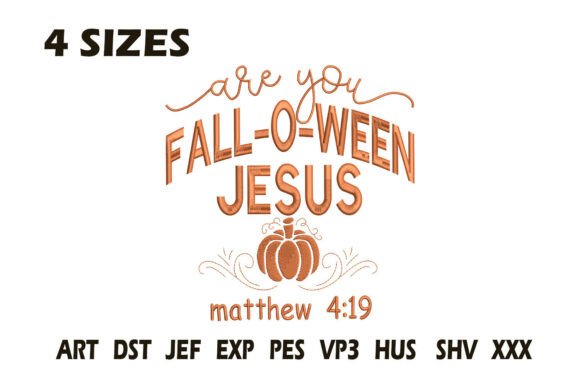
The title “Fall for Jesus, He Never Leaves” embedded in the design provides a direct message. This isn’t just a generic symbol; it’s a specific statement for a specific season. The rustic aesthetic implied in the description leans towards a classic, perhaps slightly textured, presentation. For a business, this means the design can communicate values like steadfastness, tradition, and natural warmth. Whether your brand is a cozy bakery, a handmade crafts shop, or a local florist, this embroidery file can align with a brand identity that values authenticity and connection.
It feels friendly and rustic, which translates well to customer-facing merchandise. The key question is whether this visual personality supports your business’s story. For a small business selling handmade products or offering a personal service, this design’s aesthetic can enhance the perception of care and quality.
Real-World Applications for Business Merchandise
Let’s move from impression to application. How does the Fall for Jesus Embroidery Design perform in real business use? The answer depends on thoughtful placement and preparation.
Uniforms and Professional Apparel
For staff uniforms, aprons, or work shirts, this design works best as a chest logo accent or sleeve detail. Its central cross motif provides a clear focal point. Embroidered on a chef’s apron in a boutique bakery or on the sleeve of a staff shirt in a café, it becomes a subtle yet powerful brand marker. It fosters customer trust and recognition, signaling a shared value or community. On caps, the design must be evaluated for size; the lettering needs to remain legible on the curved front of a cap.
Branded Merchandise and Product Accents
This is where the design truly shines for revenue and engagement. As an embroidered patch, it can be applied to tote bags, creating a premium product for sale or as a customer gift. For a pet brand or creative studio, it could serve as a branded add-on to product packaging—a small embroidered patch on a garment bag or a keepsake box. It elevates the product value and presents a handmade presentation that Etsy sellers and craft businesses covet. Used on event merch or as part of a small business merch line, it provides visual consistency across items.
Practical Considerations for Production
Successful commercial embroidery requires planning. Before running this machine embroidery design on any fabric, conduct these essential checks.
- Test in Black and White First: Create a simple monochrome stitch-out to assess the fundamental structure, especially the lettering and outlines.
- Check Small Patch Size Performance: If you intend to use it as a small patch (under 3 inches), verify that the details, particularly “He Never Leaves,” remain clean and unbroken.
- Review Thread Color Contrast: The rustic elements may require thoughtful thread color selection against your fabric—dark uniforms need light, contrasting threads.
- Inspect Spacing and Density: High stitch density in small areas can lead to stiffness; ensure the design is suitable for the intended fabric texture, like a flexible apron or a sturdy tote bag.
- Test on Real Fabric with Proper Stabilizer: Never rely solely on a digital preview. Hoop your actual material—canvas for a bag, twill for a cap, cotton for a shirt—using the appropriate stabilizer to test the finished product.
- Create a Printable Mockup for Client Approval: If you’re an apparel decorator producing for a client, a mockup is vital for approval and avoids costly mistakes.
- Compare Beside Other Design Assets: Place the stitch-out beside your other brand logos or graphics to ensure visual harmony.
- Confirm Commercial Licensing: Before any business use, verify the license terms of the digital embroidery file. Ensure you have the rights for commercial embroidery on products you sell.
Where to Use with Care
Every design has limitations, and acknowledging them protects your product quality. For the Fall for Jesus Embroidery Design, pay close attention to the following scenarios.
First, tiny lettering. The phrase “He Never Leaves” is integral. At very small sizes or on challenging surfaces like curved cap fronts, fine lettering can lose definition or become overly dense. Second, detailed outlines around the rustic elements. On textured fabrics or items requiring frequent washing, intricate outlines might wear or snag more easily if not stitched with suitable thread and density. Finally, consider background fabric color. A design with lighter elements may need an underlay or adjusted colors to stand out on dark uniforms or bags.
The Final Impact on Your Business
Ultimately, choosing an embroidery design like Fall for Jesus Embroidery Design is a business decision. When executed well, it enhances professionalism and buyer engagement. It transforms a simple tote bag into branded merchandise, a standard apron into a uniform that tells a story, and a product label into a memorable accent. It contributes to a cohesive brand identity that customers remember.
My advice is to treat this as a valuable design asset. Start with the practical tests, understand its behavior on your specific materials, and clarify its commercial use permissions. Then, apply it with intention to the merchandise that best represents your small business—whether that’s custom apparel for your team or a beautiful patch on a product you sell. In the Religion Faith category, this design offers a specific, seasonally relevant tool that, when managed with professional embroidery diligence, can become a durable part of your brand’s visual language.