A Quiet Reflection: The Jesus Christian Cross Embroidery Design
The First Impression: Elegance Without Excess
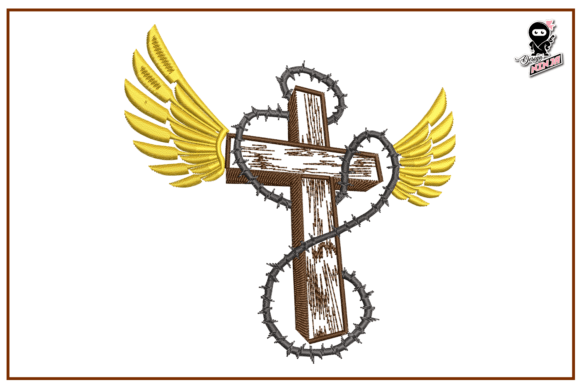
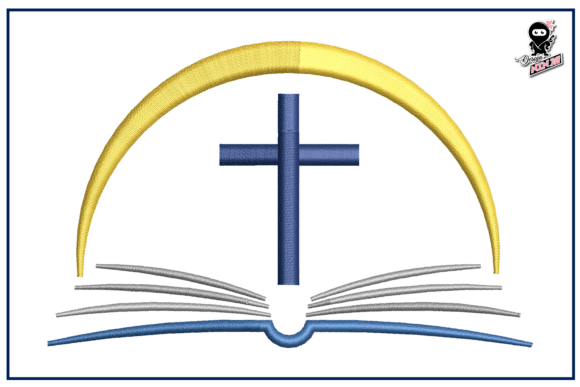
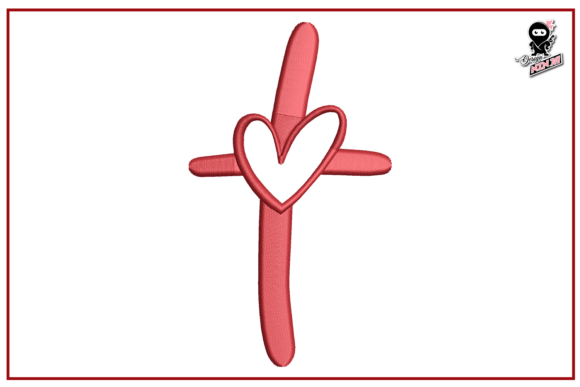
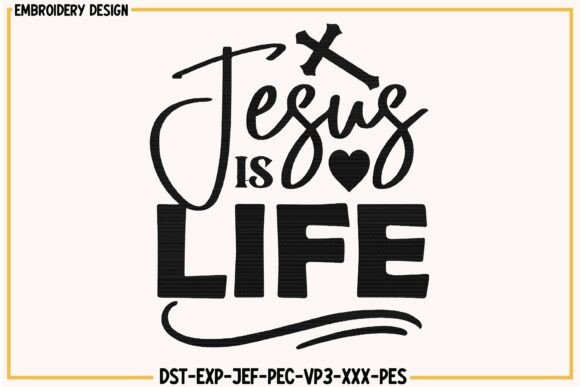
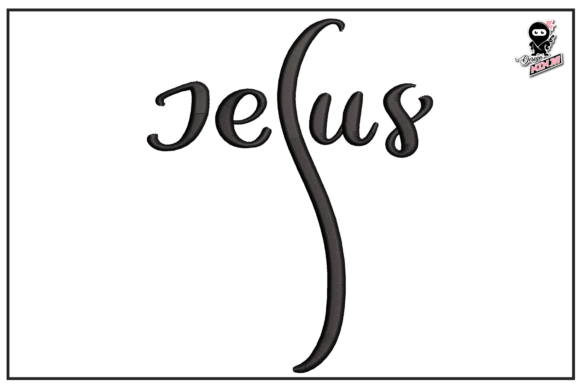
Opening the Jesus Christian Cross embroidery file, my first thought was one of quiet appreciation. This isn't a loud, ornate design; it’s a study in clean, confident faith symbolism. The mood it creates is reverent yet accessible, a design that feels both personal and universal. The shape and layout speak to a timeless theme, executed with a level of detail that suggests clarity rather than clutter. Its visual personality is one of understated devotion, making it a natural fit for projects where the message is meant to be felt, not shouted.
A Practical Fit for Real Projects
In my studio, a design like this gets evaluated not just on screen, but in the context of the next project on my hoop. Let’s say I’m preparing a custom embroidered tote bag for a client’s church group fundraiser. The Jesus Christian Cross design immediately presents itself as a strong candidate. Its elegance would translate well to the bag’s fabric, offering a gift that feels thoughtful and well-made. Similarly, for a boutique looking to add a line of faith-based kitchen towels or pillow covers, this design provides a professional, recognizable motif that elevates a simple item into a meaningful product.
For apparel decorators considering a custom sweatshirt or a baby’s baptismal gown, the design’s clarity is key. On a sweatshirt, it becomes a personal statement of faith; on delicate baby fabric, it becomes a cherished heirloom detail. As an Etsy seller creating holiday or wedding gifts, this embroidery file offers a versatile asset. It could anchor a whole collection—from embroidered patches for caps to elegant accents on apron corners. The design feels inherently giftable, adding perceived value through its handmade presentation and clear, respectful execution.
Where It Shines and Where to Hoop Carefully
Performance in real stitching is where theory meets thread. For most custom apparel on stable fabrics—like cotton tees or canvas tote bags—this design should stitch out with reliable clarity. On thicker sweatshirt material or textured fabrics like certain blankets, paying close attention to stabilizer choice will be paramount to keep the shape crisp. The design’s likely use of satin stitches for the cross and perhaps fill stitches for background elements means stitch density is an important consideration.
This is where I’d advise extra care: on very small hoop sizes, the details need to be inspected in a test stitch-out first. Embroidering on thin or stretchy fabric, like some baby clothes, requires perfect stabilization to prevent puckering. On dark fabric backgrounds, a thoughtful thread color contrast study is essential; sometimes a slightly lighter or brighter shade than you’d think can make the design pop better than pure white. For curved surfaces like caps, the layout’s proportions need to be checked in a mockup to ensure it sits correctly on the curve. And for any product destined for frequent washing, such as kitchen towels, a robust stitch construction is needed—again, a test on scrap fabric simulates real wear.
Beyond the Stitches: Customer Trust and Brand Consistency
Using a design like the Jesus Christian Cross in a craft business isn’t just about mechanics; it’s about communication. When a customer sees this design on a finished product, its clean execution builds trust. It tells them the maker cared about clarity and quality. For a small shop owner, this consistency across products—whether on a boutique’s tea towels or a small business’s holiday gift line—helps solidify a brand identity of thoughtful craftsmanship. The recognition of the symbol is instant, but the professionalism of the embroidery engages the buyer on a deeper level, making them more likely to see the item as a keepsake rather than just merchandise.
Notes from the Worktable
Before committing this design to a client’s project or my own small shop product, here’s my practical checklist. Always, always stitch it out on scrap fabric first—the same weight and texture as the final project fabric. This reveals everything: how small details like any intricate corners behave, the true effect of thread colors, and the overall stitch density. I compare it on both light and dark background mockups, even simple digital ones, to plan my thread palette. I confirm the minimum hoop size required for a clean stitch-out and ensure my machine embroidery file is formatted correctly.
I consider the end-use rigorously. Is this for a one-off personalized gift, or for a commercial embroidery run where I’ll produce fifty patches? This dictates my material choices and time investment. Crucially, I verify the licensing terms of the design asset before selling any finished product or digital product derivative. For digital product sellers offering printable mockups, ensuring the design renders clearly at different scales is key. The goal is to make the transition from digital file to finished product seamless, predictable, and professional.
The Final Verdict: A Versatile Asset for Meaningful Making
In the hands of a maker, the Jesus Christian Cross embroidery design proves its worth as a versatile, elegant asset. It belongs to projects where faith is expressed through craftsmanship. It fits beautifully on the quiet canvas of a tote bag, the soft surface of a pillow cover, or the cherished fabric of a baby’s blanket. Its strength lies in its straightforward symbolism and its potential for clear, beautiful stitching when applied with practical knowledge.
For embroidery designers, hobbyists, and creative entrepreneurs, it’s a design that rewards careful preparation. Test it, hoop it wisely, match it to a fabric that can support its elegance, and it will become a reliable part of your toolkit for creating products that carry meaning beyond the stitches. It’s a design that, when executed well, doesn’t just decorate a product—it quietly affirms the value of the handmade item itself.