A Review of Raised on Sweet Tea and Jesus
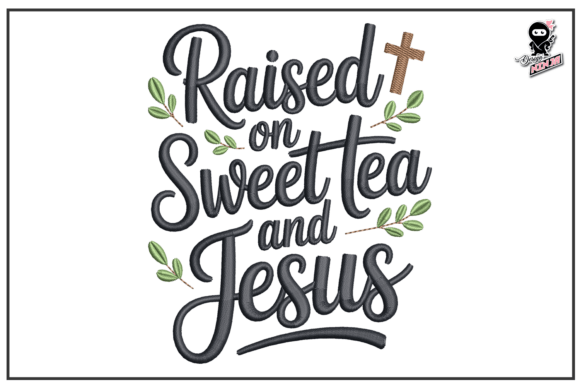
From a designer’s perspective, the first thing I notice about an embroidery design is its personality. Raised on Sweet Tea and Jesus has a distinct one. It feels warm, nostalgic, and proudly rooted. This isn’t just a simple text file; the layout and thematic pairing create a specific mood. It’s conversational and charming, evoking a sense of heritage and comfort. For embroidery designers and makers, this tells us immediately that it belongs on projects meant to convey personal connection—a gift for a loved one, a statement piece for a boutique, or a heartfelt addition to home decor.
The Natural Habitat for This Design
When I’m evaluating a design for real project use, I picture it stitched out. My mind goes to a custom embroidered tote bag first. Something sturdy, like canvas, that will carry this sentiment well. The phrase has a casual, homey elegance that would shine on a kitchen apron or a tea towel—products that literally surround the theme. I also instantly think of a soft, cozy sweatshirt. It’s a design that feels like it’s meant for items you wear or use in relaxed, familiar settings.
For baby items or nursery decor, it could be a beautiful gift from a grandparent, embroidered onto a blanket or a little robe. As a patch, it could be applied to a cap or a backpack, making a personal statement. In a small shop setting, this design could anchor a line of personalized gifts for holidays or weddings, especially within communities where the sentiment resonates. The key is matching the design’s inherent mood to the product’s purpose.
Where This Design Will Sing and Where to Tread Carefully
On stable, medium-weight fabrics like cotton twill for tote bags, cotton blends for sweatshirts, or linen for pillow covers, this embroidery file should perform beautifully. The visual appeal comes from the clarity of the idea itself; the stitching just needs to be clean to let that personality shine. This enhances product value and customer trust because the finished item feels thoughtfully conceived and well-made.
However, there are always considerations. If the design has any tiny lettering or intricate decorative accents, you must be cautious on smaller hoop sizes or highly textured fabrics. Stitch density matters. On thin or stretchy fabric like a t-shirt, a dense satin stitch fill might require excellent stabilizer and possibly a lighter thread count to prevent puckering. Embroidering on dark fabric demands a thoughtful thread color contrast review—you might need a bright white or a pale color to ensure the message pops and maintains stitching clarity.
Curved surfaces like caps can be tricky if the design is wide or long; always check the orientation and available hoop space. For products that need frequent washing, like kitchen towels or baby clothes, a robust fill stitch and secure stitching will ensure longevity. These practical checks directly affect the handmade presentation and professionalism of your final product.
Thinking Like a Business Owner and Crafter
For the creative entrepreneur—the Etsy seller, the craft fair vendor, the small shop owner—this design is a design asset. Its strength is in its recognizability and giftability. It can become a consistent item in your lineup, a holiday embroidery favorite, or a go-to for custom orders. In commercial embroidery projects, it could be used for group gifts or boutique branding on staff aprons, for instance.
But here’s a crucial note: Always, always test the machine embroidery design on scrap fabric first. Use the same fabric and stabilizer you plan for the final project. This tells you everything about stitch density, whether small details like possible flourishes or letter connections stitch out cleanly, and how it looks in real thread. I also advise checking it in black and white printable mockups for digital product previews to see how it reads without color. Compare how it would look on both light and dark fabric backgrounds in your planning.
The Non-Hype, Real-World Checklist
Before you run this for a client project or list a finished product in your shop, do this:
- Your test stitch-out is your best friend. It reveals any potential issues with stitch density or detail clarity.
- Confirm the required hoop size. Does the design fit the project area you have in mind?
- Review thread color contrast. Plan your palette for different fabric colors.
- Use the proper stabilizer for your chosen fabric. This is foundational for a clean finish.
- Check the licensing terms. Before selling any finished items or using the digital embroidery file for commercial products, confirm what is allowed. The product description mentions it’s for decorating clothing, home decor, or gifts, but explicit commercial use terms should be verified separately.
- Consider the end-user. How will a customer react to this on a sweatshirt versus a delicate pillow cover? The context changes the perception.
Raised on Sweet Tea and Jesus, from a practical design judgment standpoint, is a design with a clear voice. It won’t fit every project, but for the projects it does fit—those centered on faith, comfort, tradition, and personal statement—it will feel perfect. Its value isn’t in hypothetical features; it’s in the real, stitched-out result on a tote bag that becomes a cherished gift, or on a sweatshirt that becomes a favorite garment. That’s what makes a design worth adding to your toolkit as a maker.